For venue teams
Understand how entrance, lobby and circulation patterns interact with screen placement and visitor experience.
Audience intelligence & marketing
Bring audience measurement, visitor experience and media opportunities together. Understand the patterns around your screens and spaces, then turn that context into better-informed decisions.
audiences
Use aggregate activity to see how a place is used across zones and operating periods.
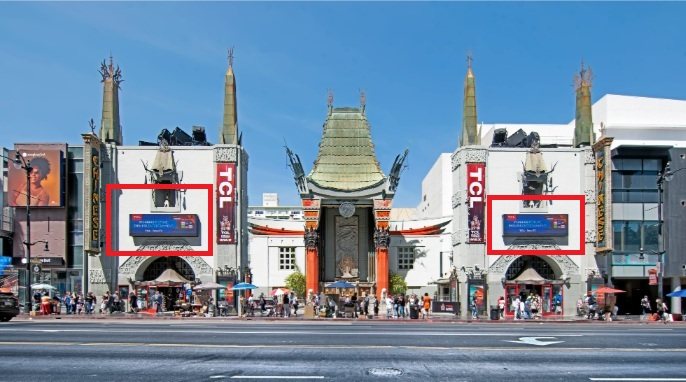
Explore visitor volumes, movement, queues and dwell patterns. The value comes from connecting those observations to a decision: an entrance layout, staffing pattern, screen position or campaign schedule.
engagement
Give marketing teams a clearer view of how audiences encounter screens and activations.
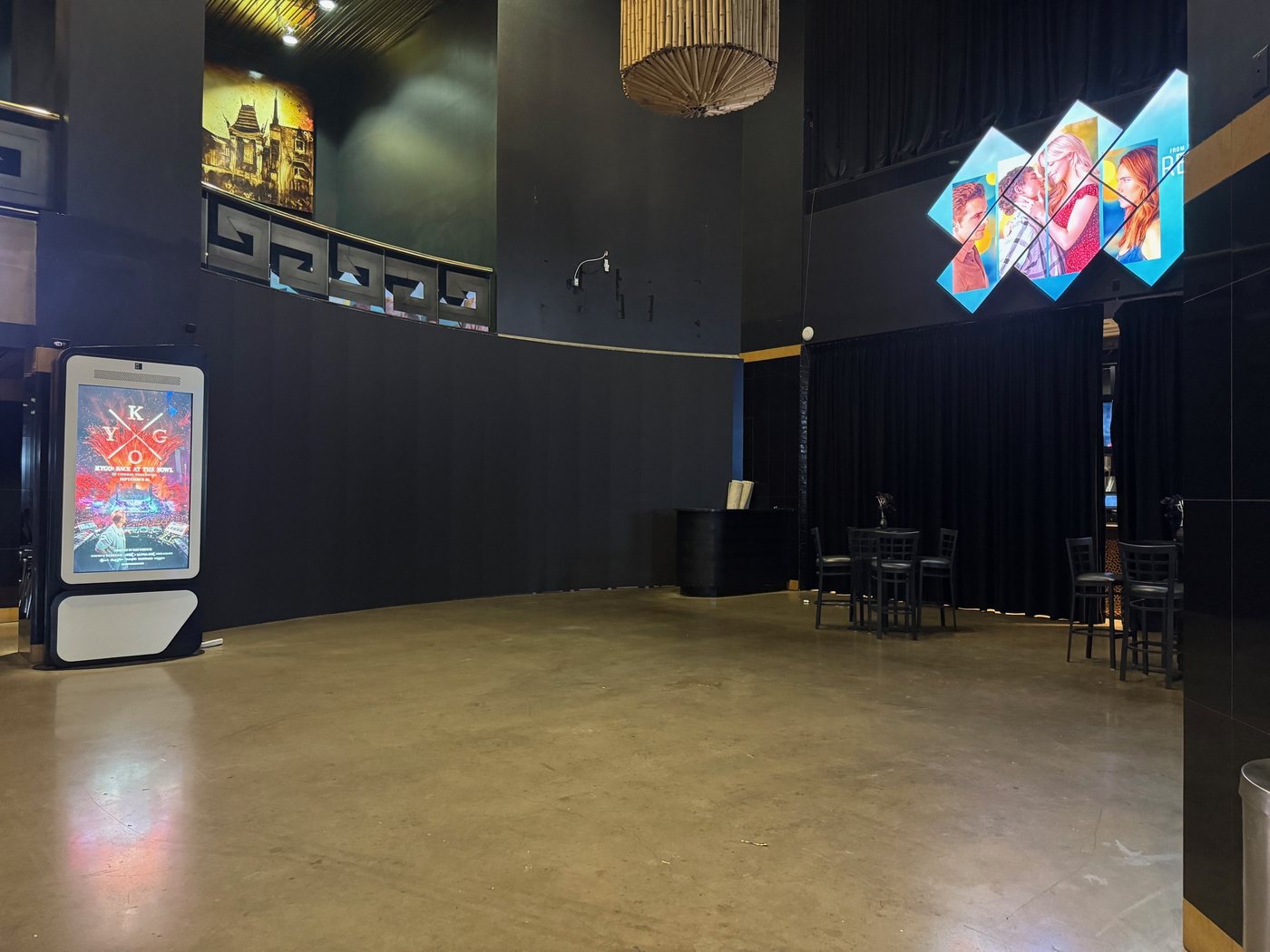
Evaluate attention and engagement around selected displays and activations. Compare placements and operating periods while accounting for differences in audience, layout and content.
Understand how entrance, lobby and circulation patterns interact with screen placement and visitor experience.
Compare observations using agreed definitions and reporting periods, then decide which placements or content warrant further testing.
media
Display inventory becomes a commercial opportunity when audience, advertiser demand and operating economics align.

| Workstream | Questions to answer |
|---|---|
| Inventory | Which existing or proposed display surfaces are suitable? What are the visibility, power, connectivity and operating constraints? |
| Audience | Who uses the space in aggregate, when are they present, and which audience measurements are appropriate? |
| Commercial model | What advertiser demand, content operations, installation costs and ongoing costs need to be assessed? |
| Delivery and reporting | Which compatible media or programmatic integrations are relevant, and what reporting would stakeholders receive? |
Commercial outcomes depend on the actual inventory, audience, advertiser demand, operating costs and reporting scope agreed for the site.
experience
The same understanding of a space can inform marketing and everyday operations.

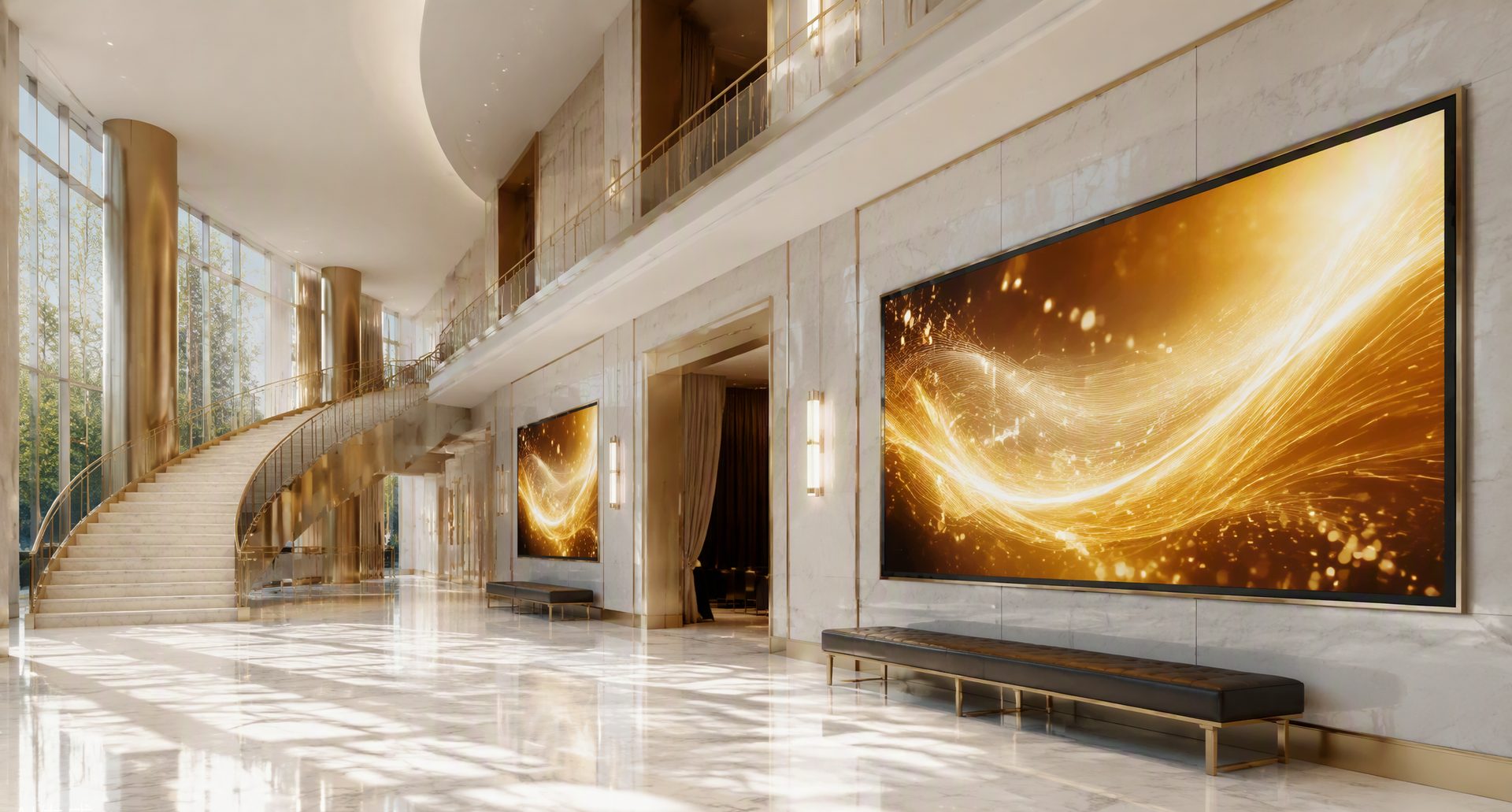
Explore crowd arrival patterns and audience exposure around entrances, forecourts and event activations. Use these observations to review both experience and potential sponsor placements.
Understand how queue and dwell patterns interact with circulation and display locations. Coordinate layout, staffing and marketing decisions around the actual use of the space.
pilot
Agree the business question before expanding the infrastructure.
Select a visitor-experience, campaign or media-inventory question the team can act on.
Review camera and display coverage, zones, connectivity and operating periods.
Agree measures, access, retention, comparison periods and the limitations of the available data.
Pilot the selected scope, review the findings and establish the next configuration or commercial decision.
Start with your environment
Discuss your priorities, existing infrastructure, and the outcomes your team needs to evaluate.
Request an assessment