During construction
Temporary routes, deliveries and contractor zones change as work advances. Review camera coverage and monitoring zones with the site plan, and establish who reviews access or safety-related events.
Operational intelligence
Connect visual observations to the teams who run a place. Understand patterns, review exceptions and adapt the operating picture as your environment changes.
decisions
Focus on the questions your teams need to answer during a shift, an event or a change in site activity.
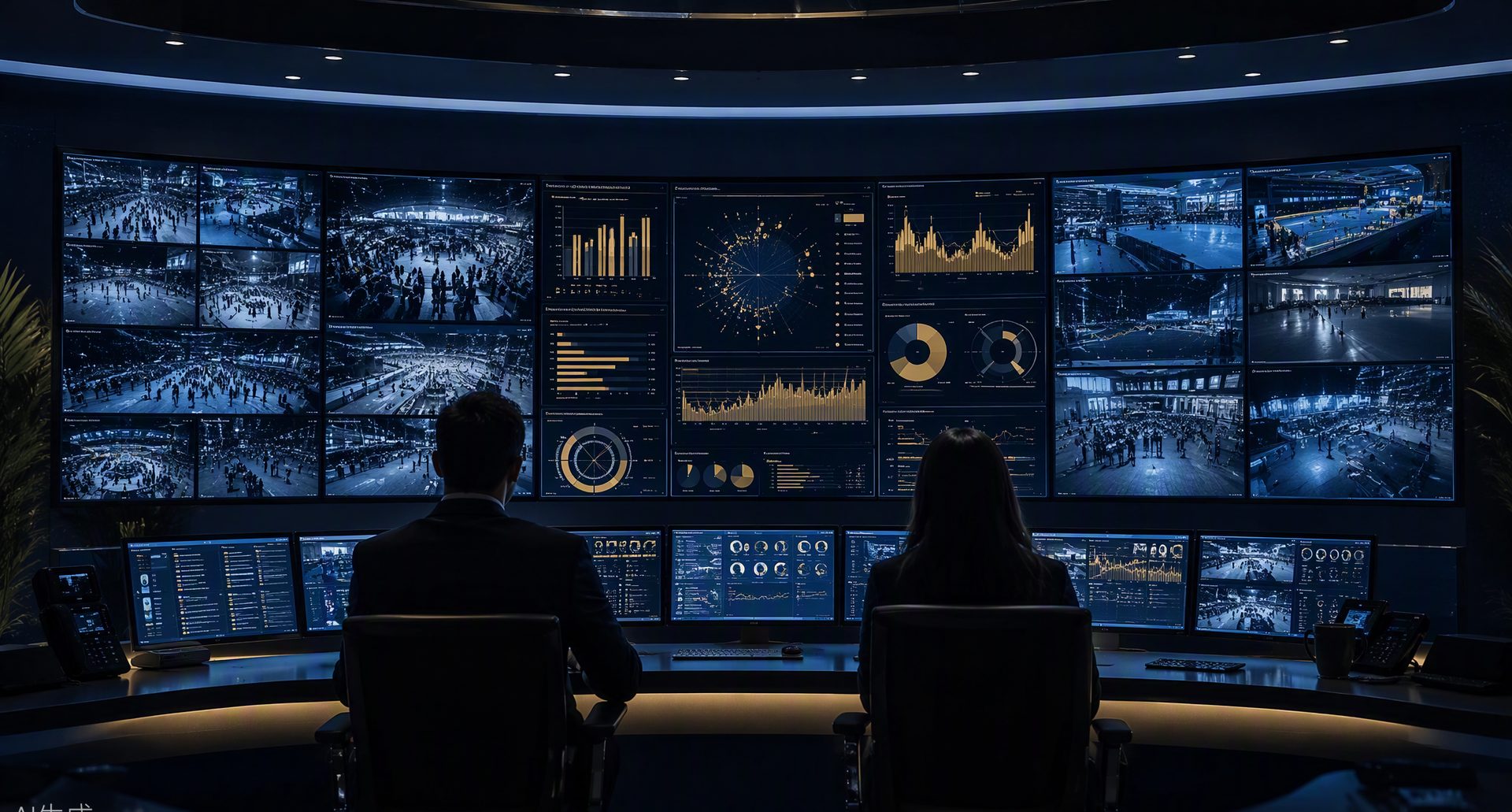
Security, facilities, visitor-experience and marketing teams may need different views of the same environment. GoldenAI’s operating scope can connect selected visual signals to the teams responsible for reviewing them.
workflows
Reporting should support a decision rather than stop at a dashboard.
| Operating question | Possible configured output | Team decision |
|---|---|---|
| Where do queues build? | Zone and time-based queue observations within covered areas. | Review staffing, service points or the visitor route. |
| How does aggregate crowd movement or space use change by selected zone and period? | Configured zone-and-period observations during a peak or event window. | Review staffing, service points, routes or space allocation. |
| How is the space being used? | Aggregate traffic and dwell patterns by selected zone. | Evaluate layout, access routes or space allocation. |
| What needs security review? | Selected event alerts with available camera and location context. | Review and escalate according to the site’s response process. |
| How do campaigns meet the audience? | Attention and engagement reporting around selected screens. | Compare placements and operating periods for future campaigns. |
These are application examples. The specific measures, reporting format, frequency and integrations are agreed during assessment and pilot validation.
changing sites
Construction and operation have different access patterns, working areas and responsibilities.
Temporary routes, deliveries and contractor zones change as work advances. Review camera coverage and monitoring zones with the site plan, and establish who reviews access or safety-related events.
Commissioning may bring contractors and operational personnel into the same environment. Review sensitive areas, escalation ownership and data access as responsibilities transfer.
Review workers, service contractors and visitor movement through designated spaces. Adapt the monitoring scope around maintenance periods and changes in the facility.
Evaluate selected person-down or physical-hazard scenarios under actual conditions. Alerts support the people responsible for site safety and agreed response procedures.
teams
A shared platform still needs clear ownership for each use case.
Define the areas, operating periods and questions that affect daily service, movement and use of space.
Define events for review, escalation paths and response responsibilities. Agree how evidence supports the existing process.
Define audience and campaign questions, display inventory and the reporting needed to compare periods or placements.
Review connectivity, compatible systems, approved data uses, access and retention requirements as part of the deployment scope.
deployment
Start small enough to learn and clear enough to assess.
Choose a question, responsible team and decision the pilot will inform.
Map cameras, zones, displays, selected systems and data-handling requirements.
Test agreed scenarios and reporting against actual site conditions and team needs.
Use pilot findings to refine configuration and decide whether and where to expand.
Edge processing, coverage, integrations and data flows are designed for the environment. Availability and response commitments are established for the deployment.
Start with your environment
Discuss your priorities, existing infrastructure, and the outcomes your team needs to evaluate.
Request an assessment